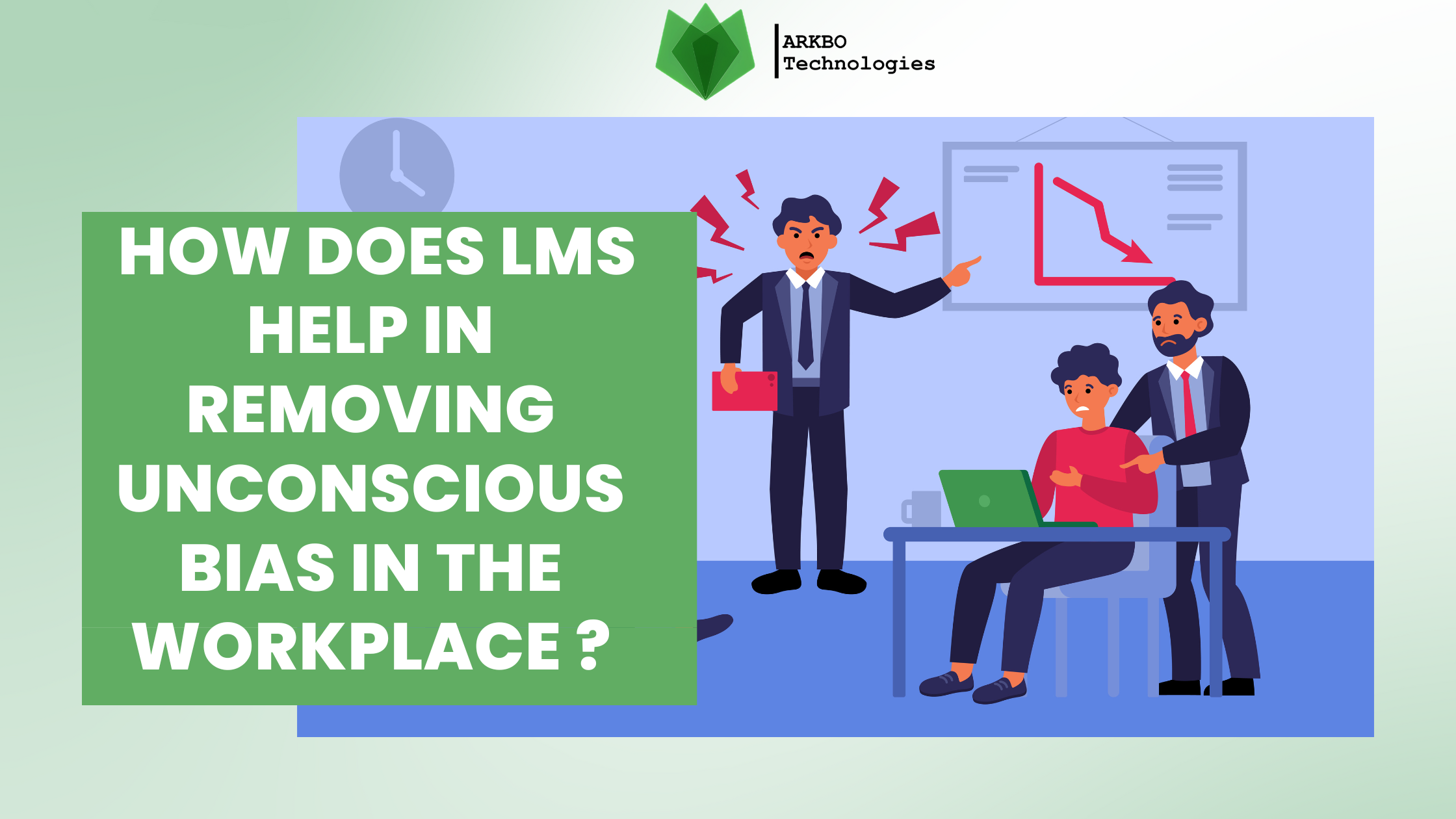
The professional lives are not just affected by our performance; rather, it is also shaped by the unaware and unconscious biases of ourselves or the people we work with. These biases determine the way we think and make decisions, to how we interact with colleagues.
When working in group collaborative efforts, these biases can create friction and hinder the achievement of goals. In this blog, we will take a deep dive into these unconscious biases and explore how an LMS platform can help avoid, curb, or prevent them.
First, let’s start with understanding these unconscious biases in organizations.
Unconscious or implicit bias in the workplace is basically the mental shortcuts a human brain takes when making quick judgments. These biases aren’t intentional; rather, they’re in our subconscious mind and shaped by upbringing, culture, and experience. When these biases become excessive and malicious, the workplace learning, opportunities, engagement, and growth are adversely affected. Let's look into some of the common unconscious biases in the workplace.
Unconscious bias may begin with small, unnoticed behaviors or assumptions, but when left unaddressed, it gradually shapes attitudes, decisions, and relationships in ways that can erode trust, exclude voices, and ultimately create a toxic workplace culture. Organizations want productivity and want fair evaluation of the employees. Thus, removing these biases appears more than crucial.
Now, the golden question: Does a Learning Management System (LMS), one of the cornerstones of corporate learning, help in reducing unconscious bias? Yes. Let’s look into how these online learning platforms curb these biases.
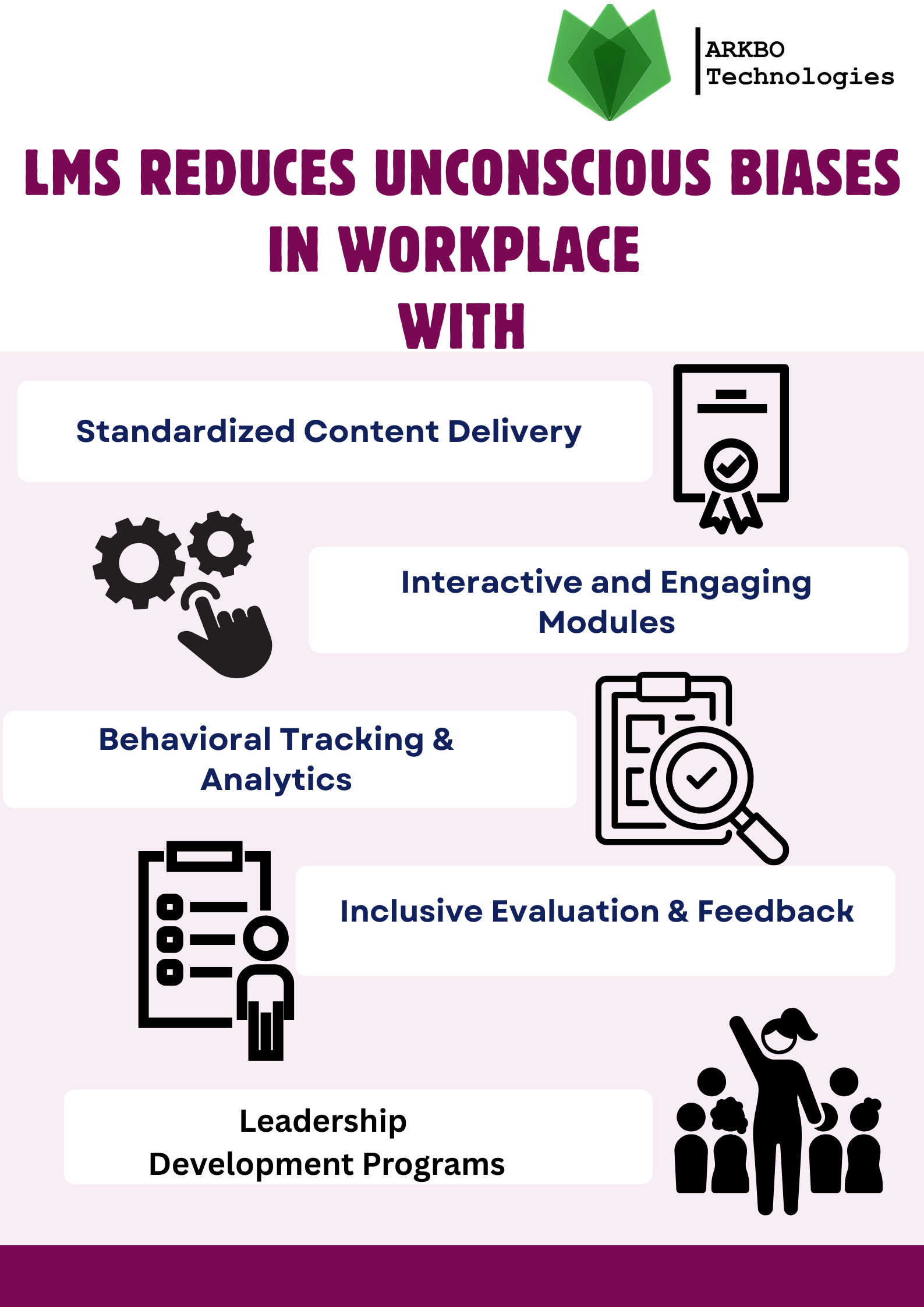
Here, we have covered the seven major 7 ways LMS platforms like ARKBO LMS can help organizations solve these subconscious biases.
Bias in trainers or decision-makers can affect how training is delivered, which resources are shared, and who receives learning opportunities, leading to inconsistent employee experiences. Using an LMS to distribute content can help standardize training delivery and reduce these inconsistencies, minimizing the risk of biases or misconceptions being unintentionally reinforced.
In addition, LMS-based onboarding becomes an effective practice, and it provides all new hires with the same structured, inclusive introduction to company culture, values, and expectations. From day one, employees learn about diversity, equity, and fairness in the workplace, which sets a strong foundation that helps prevent biased behaviors before they begin.
Interactive and engaging LMS modules are just about assigning the courses. It is about providing them with training that is standardized, inclusive, and aligns with their learning paths. In normal/traditional training, trainers’ personal likes can make some people unfairly stand out. LMS training gives everyone the same exercises and shows when choices are biased.
Unlike traditional training, LMS platforms collect detailed data on employee engagement, assessment scores, and course completion. By analyzing this data, managers can spot patterns that reveal potential unconscious bias.
For example: A supervisor is consistently giving lower scores on leadership simulations to employees of a certain gender or background. This kind of pattern can be noted in LMS. Organizations can provide targeted coaching, adjust training content, track progress over time, and ensure fairer and equitable treatment across the workplace.
LMS platforms support inclusive evaluation by providing tools like anonymous feedback, structured peer reviews, and guided appraisal templates that reduce the influence of unconscious bias.
For example, during performance reviews, a manager might unconsciously favor employees who share similar backgrounds or communication styles.
In such cases, when the LMS training is implemented, evaluations become objective. And when such LMS data is integrated with the HRMS, there are clear details of employees' performance giving rise to opportunities, recognition, and appraisal for deserving candidates.
Bias reduction isn’t only for front-line employees but also for leaders. Since they are the decision makers, they need to make business decisions, including purchasing and setting training time for employees. Though aware of the business world, they too hold these biases. Thus, when leaders join LMS platforms with specific modules on systemic biases, they can make better decisions for, in, and outside the organizations.
All in all, LMS-based training makes employee training successful while also promoting fairness by helping evaluators recognize and reduce bias through continuous learning. Although LMS supports inclusive and diverse learning and training, it alone can’t bring the much-needed change. The leadership support, clear policies, and consistent action across the organization are equally important to make the workplace bias-free.
Unconscious bias can quietly influence how employees are trained, evaluated, and promoted. Thus, having a system that trains and prevents these biases is a must for organizations. LMS platforms can curb these unseen but felt biases. They create fair, consistent, and inclusive learning experiences.
ARKBO LMS- a popular LMS platform in Nepal, was designed to improve the standard of employee training. With ARKBO LMS, your company can build a learning culture that reduces bias, promotes fairness, and empowers every employee to reach their full potential.
Why wait when you can empower the workforce while eliminating the unwanted biases in your organization? Book a demo or contact us for further details.
Read More: Complete Guide to LMS System