In today’s rapidly changing and competitive business environment, organizations are expected to operate with transparency, responsibility, and accountability.
Minor errors in maintaining compliance can result in penalties, legal complications, or harm to a company's reputation. To prevent such incidents, leaders and HR departments must ensure that the employees have a clear understanding of their roles, responsibilities, and workplace regulations. This signals the importance of compliance training.
In this blog, we’ll explore what compliance training is, its importance, and how the right approach and tools can help organizations stay compliant, confident, and prepared in an ever-changing regulatory landscape.
Compliance training is the process of educating employees on the laws, regulations, and company policies that govern their work and industry.
The primary goal is to ensure the organization and its staff operate legally and ethically, mitigating the risk of fines, lawsuits, and reputational damage.
It's often mandatory and covers a wide range of topics essential for maintaining a responsible and lawful workplace.
Compliance training includes various specialized areas, depending on the industry and the nature of the business. Let’s look into some of the most common types of compliance training:
DE&I (Diversity, Equity, and Inclusion) Compliance Training: This kind of training focuses on laws related to equal employment opportunity, which prevents discrimination based on protected characteristics (e.g., race, gender, religion), and fosters an inclusive workplace.
Cybersecurity Compliance Training: This kind of training protects sensitive data while educating employees on data privacy regulations, data breaches, phishing, and malware attacks.
Health & Safety Compliance Training: This training is done to ensure workplace safety regulations in the health sector. It includes training related to emergency procedures, hazard communication, and proper use of equipment.
Harassment & Sexual Harassment Compliance Training: This training defines unacceptable behavior, explains the company's reporting procedures, and details the legal consequences of harassment.
A robust compliance training program generally includes:
Relevant Laws and Regulations: An overview of the specific statutes, rules, and industry standards employees must adhere to.
Company Policies: Detailed explanations of the organization's internal codes of conduct, ethics, and reporting mechanisms.
Real-World Scenarios and Examples: Case studies to illustrate how compliance issues can arise and how to handle them correctly.
Consequences of Non-Compliance: A clear explanation of the penalties for the individual and the organization (e.g., fines, job termination, legal action).
Reporting Mechanisms: Clear instructions on who to contact and how to report potential violations or concerns.
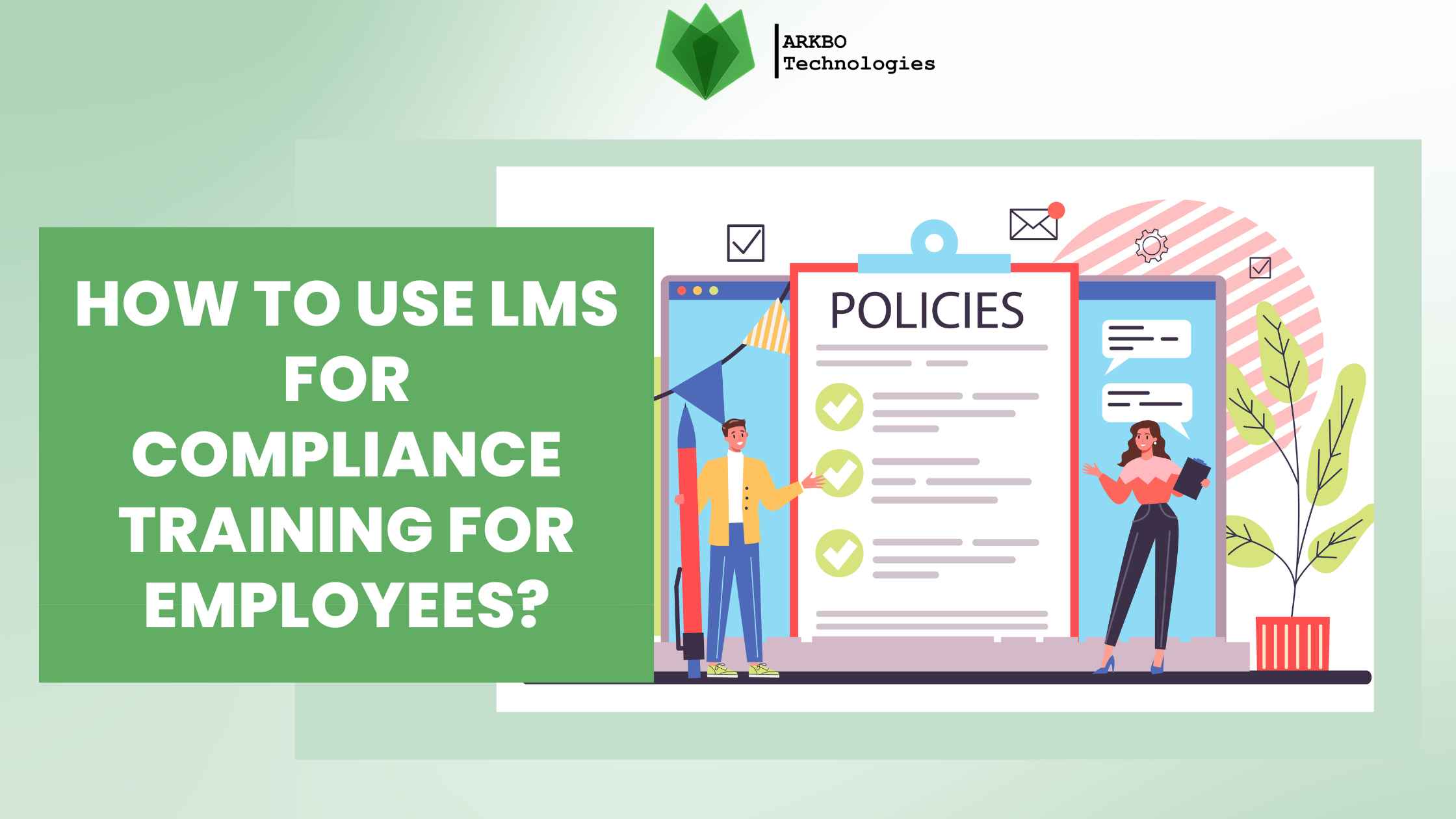
When you opt for LMS-based compliance training over traditional one, your employees can enjoy smooth, updated, and understandable learning experiences.
Let’s look into the steps you can take when using an LMS platform to offer compliance training:
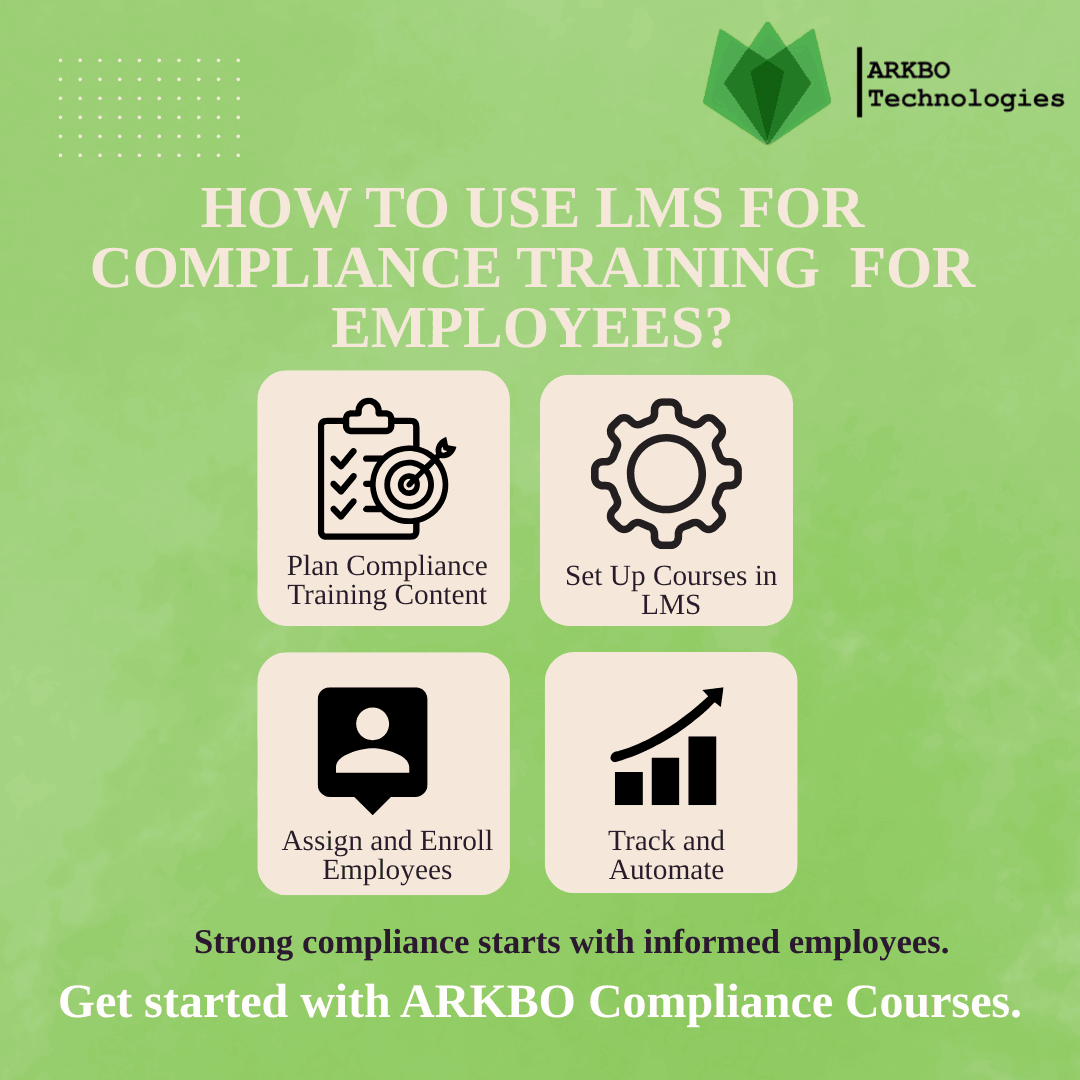
Plan Compliance Content
First of all, you need to identify the key compliance topics relevant to your organization. The topics can be about Nepalese labor laws, data privacy, harassment prevention, or industry-specific rules.
After finding out which courses to offer for training, you can develop or source interactive modules with videos, quizzes, and scenarios to boost engagement. Further, you can tailor content by role, ensuring brevity through microlearning for busy teams.
Set Up Courses in LMS
With compliance courses listed, it is time to include those in your desired LMS platform. After logging into your LMS admin portal, you can add:
Courses with compelling descriptions
Eye-catching images, infographics, and video
Assessment tests
Further, you can set completion certificates with expiration dates. You can also add features like customizable learning paths to assign relevant training automatically.
Assign and Enroll Employees
After compliance training is set up, you can assign a group of employees by department or role via branches or filters. Then, you can enroll in the courses manually or through HR system integration.
You can send an official email explaining the training's importance and deadlines. You can automate recurring assignments for annual refreshers.
Track and Automate
Once your employees are taking the course, you can enable automated reminders for due dates, overdue tasks, and recertifications to minimize manual follow-ups.
You can also generate reports on employee completion rates, quiz scores, and non-compliant users for audits.
There are an ample number of LMS platforms available; you must choose the one that has exceptional support.
ARKBO LMS, a leading Learning Management System in Nepal, is trusted by organizations to deliver structured, reliable, and easy-to-manage training programs. Beyond being a powerful LMS platform, ARKBO is now actively developing industry-relevant compliance courses tailored to Nepal’s regulatory environment.
Our regulatory & compliance training courses are as follows:
1. Social Security Fund (SSF): It provided a clear understanding of SSF structure, contribution processes, employer obligations, and compliance requirements in Nepal.
2. Labor Act of Nepal: Employees can gain insights into their employee rights, employer responsibilities, workplace policies, and legal compliance under Nepal’s labor laws.
3. AML/CFT (Anti-Money Laundering & Countering the Financing of Terrorism): This essential compliance training is tailored for banks, financial institutions, and regulated organizations.
Best part? ARKBO compliance courses are developed by industry experts, aligned with Nepal’s practices, and regularly updated to reflect changes in laws and regulations.
Don't forget to check out ARKBO Courses.
Compliance training isn't just a box to check; it's a strategic investment that protects the organization, its employees, and its reputation. When done right, compliance training can become a powerful tool for reducing risk, strengthening trust, and supporting sustainable growth.
By getting the right course and digital learning platform, which is available in ARKBO, organizations can:
simplify complex regulations
deliver engaging and relevant training
ensure employees are always informed and prepared.
All in all, it’s high time to invest in structured, accessible compliance training to raise awareness among your employees while also safeguarding your organization from costly mistakes tomorrow.
Contact us to learn more about our compliance course and offer this course to your employees.